
Sedalia, Colorado · Softeners and filtration
24/7 Emergency Line Open
Water Softeners, Filters and Reverse Osmosis in Sedalia, CO
Scale on fixtures and a rumbling heater are signs the water is carrying minerals. This page explains what a softener does, how it differs from a filter, how reverse osmosis fits, and what a plumber checks before recommending any of them.
- Licensed and insured plumbers
- Same-day service when available
- 24/7 emergency dispatch
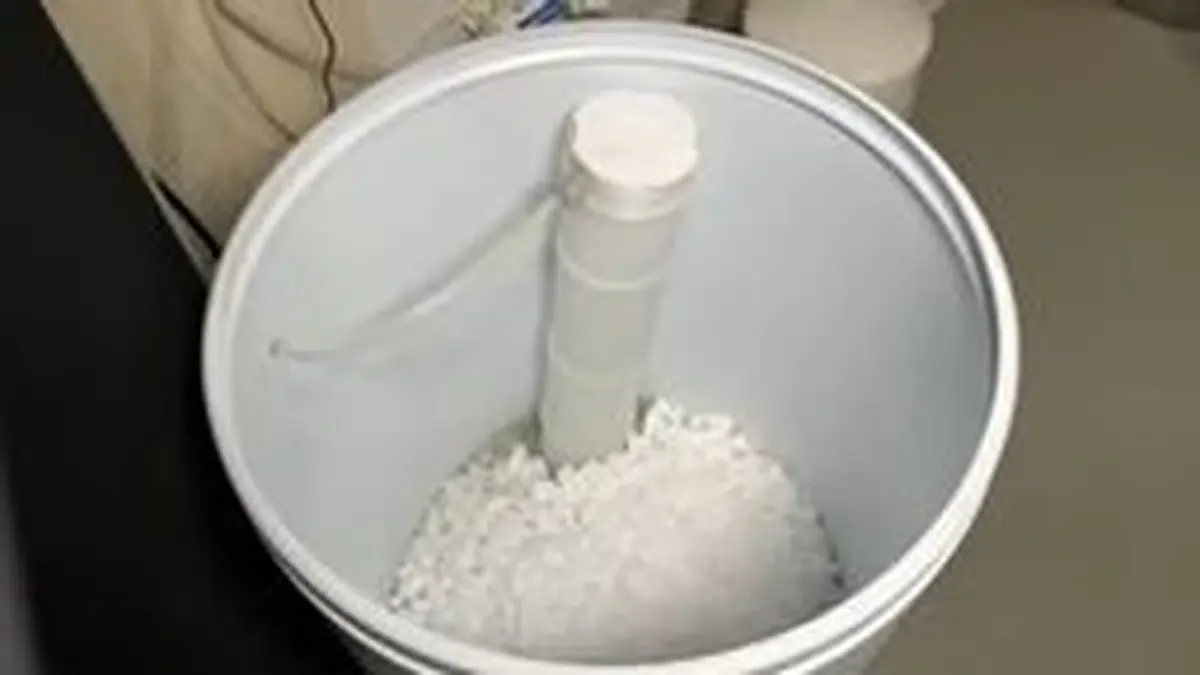
Water softeners: what they do and what they do not
A water softener removes the calcium and magnesium that make water hard. It does this with a tank of resin beads that trade those minerals for sodium or potassium. When the beads are full, the unit regenerates by flushing them with brine, sending the captured minerals to the drain, and starting a new cycle. The result is water that lathers better, leaves less scale on fixtures and heaters, and is easier on soap and appliances.
A softener is not a filter. It does not remove chlorine, sediment, taste or odor, and it does not make water safe to drink if it was not. That is the job of the filters covered below. If you are not sure whether you need either, a water test is the place to start. Mineral levels vary by water provider and source, so there is no single answer for every home in the area, and a plumber can test your water at the tap and tell you what it shows.
| What you notice | Likely meaning | What a plumber does |
|---|---|---|
| White crust on faucets and showerheads | Mineral scale from hard water | Test the hardness at the tap |
| Spots on glasses and dishes | Minerals left after drying | Test, then discuss a softener |
| Soap does not lather, dry skin | Minerals reacting with soap | Test the water |
| Water heater rumbles or loses output | Scale on the heating surface | Inspect the heater and flush it |
| Falling flow at taps | Scale inside pipes or aerators | Check fixtures and the supply |
Installing a softener
Installation is mostly plumbing and drainage. The unit connects to the main supply after the shutoff, with a bypass so water can flow if the softener is out of service. It needs a drain connection for its regeneration water, an air gap to prevent backflow into the unit, and a power outlet for the control valve. The plumber chooses the location so the unit is protected from freezing and has room for salt refills. Outdoor taps are often left off the softened line so the lawn and garden are not watered with softened water. The plumber sets the hardness and the regeneration schedule on the control head after testing. You add salt, and the unit does the rest.
A typical installation follows a sequence.
- Shut off the water and drain the lines at the install point.
- Fit the bypass valve and the inlet and outlet connections.
- Run the drain line with an air gap and connect the brine overflow.
- Plug in the control head and set hardness and the regeneration time.
- Fill the brine tank with salt, restore water and run a manual regeneration to test.
Ask what the unit's capacity is, how much water it uses per regeneration, and where the drain will run. Those answers tell you how the unit will fit your household.
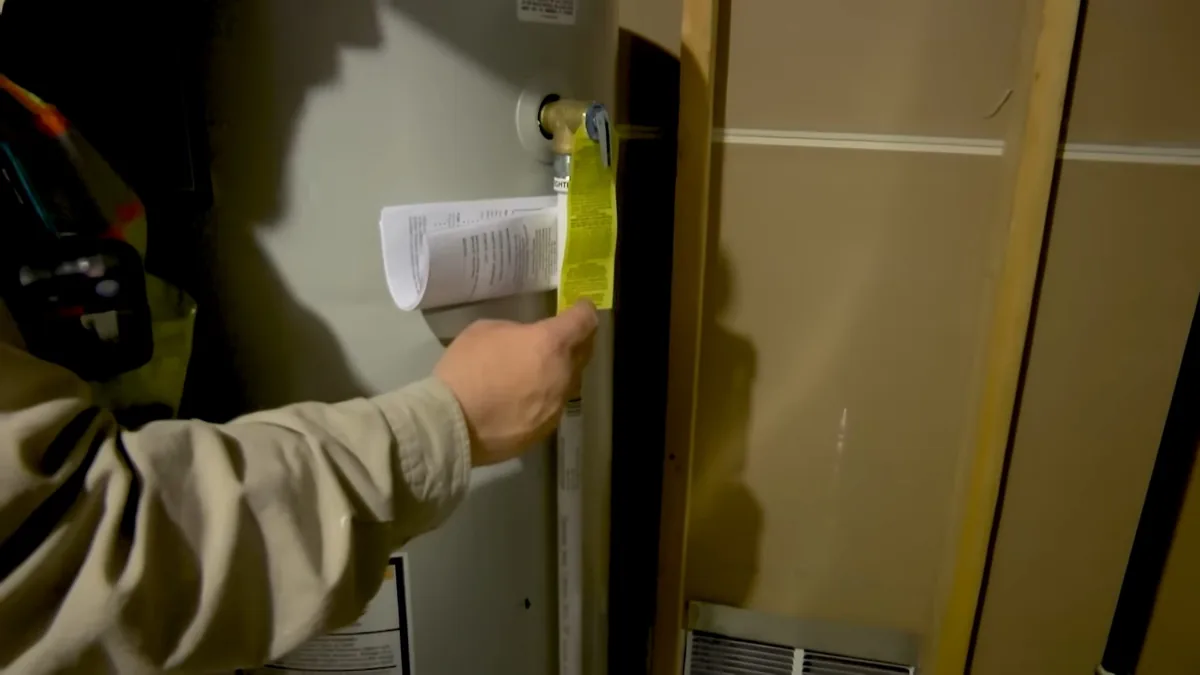
Hard water wearing on the house?
Call dispatch to book a visit. A plumber serving your area can test your water and explain your options.
Softener repair, valve replacement and service
Softeners fail in a few predictable ways. A salt bridge forms when salt crusts over and leaves an empty space underneath, so the brine tank fills with water but makes no brine. A control valve that is worn or cracked can leak, run constantly or fail to regenerate. A clogged injector or a resin tank that has lost its resin shows as hard water coming through. A plumber diagnoses the problem by checking the settings, running a manual regeneration and testing the water before and after the unit.
Valve replacement, resin replacement and brine tank cleaning are all routine service. Bring the make and model from the label, and note when hard water returned or what you saw. If the unit is very old, the plumber can tell you whether repairs make sense or whether replacement is the better choice. Salt type and level also matter, and a plumber can advise what suits your model.
Reverse osmosis drinking water systems
Reverse osmosis pushes water through a membrane that removes dissolved solids and many contaminants. Home systems are usually installed under the kitchen sink, with a small faucet on the countertop for the filtered water and a line to the drain for the rejected water. Filters and the membrane wear out and are replaced on a schedule, which the manufacturer sets. A storage tank holds the filtered water so a glass fills quickly. A plumber installs the unit, drills the sink or counter for the faucet, ties into the cold supply and the drain, and tests for leaks and flow. A system sends some water to the drain while it makes filtered water, so ask about that ratio.
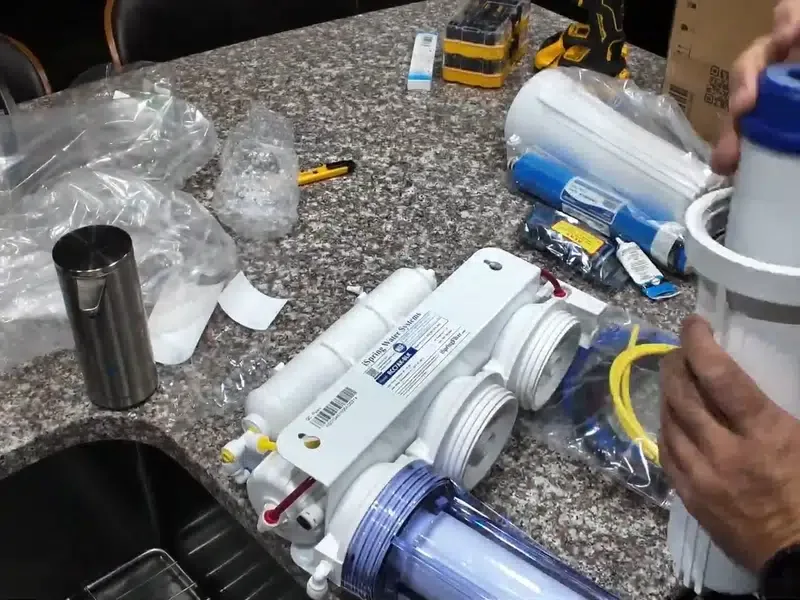
Under-sink and drinking water filters
A basic under-sink filter uses a carbon cartridge to improve taste and remove chlorine and some contaminants. It is simpler than reverse osmosis, has no drain line and does not remove dissolved minerals. A filter's value is set by what it is certified to remove, so check the label for the contaminants it lists. A plumber can add a dedicated filter faucet or use the existing tap, connect the unit to the cold supply and set up a shutoff valve for cartridge changes. Replace cartridges on schedule, because an old filter loses effect and can become a place where bacteria grow.
Whole-house filtration and water conditioning
A whole-house filter goes at the point of entry and treats every tap in the house. Sediment filters catch sand and rust. Carbon filters reduce chlorine, taste and odor. Conditioners and alternatives to salt-based softeners claim to reduce scale in other ways, and results vary, so ask what the maker can show. Matching the system to what your water test shows is better than buying one because it sounds good. The county's water plan describes the Denver Basin aquifer system as a main water source for the county, in its water plan, but each provider treats and delivers its own supply, so the water at your tap depends on yours.
If your concern is a heater clogging with scale, the tankless sizing and scale explains descaling, and the water heater repair page explains flushing a tank.
Salt, brine and regeneration
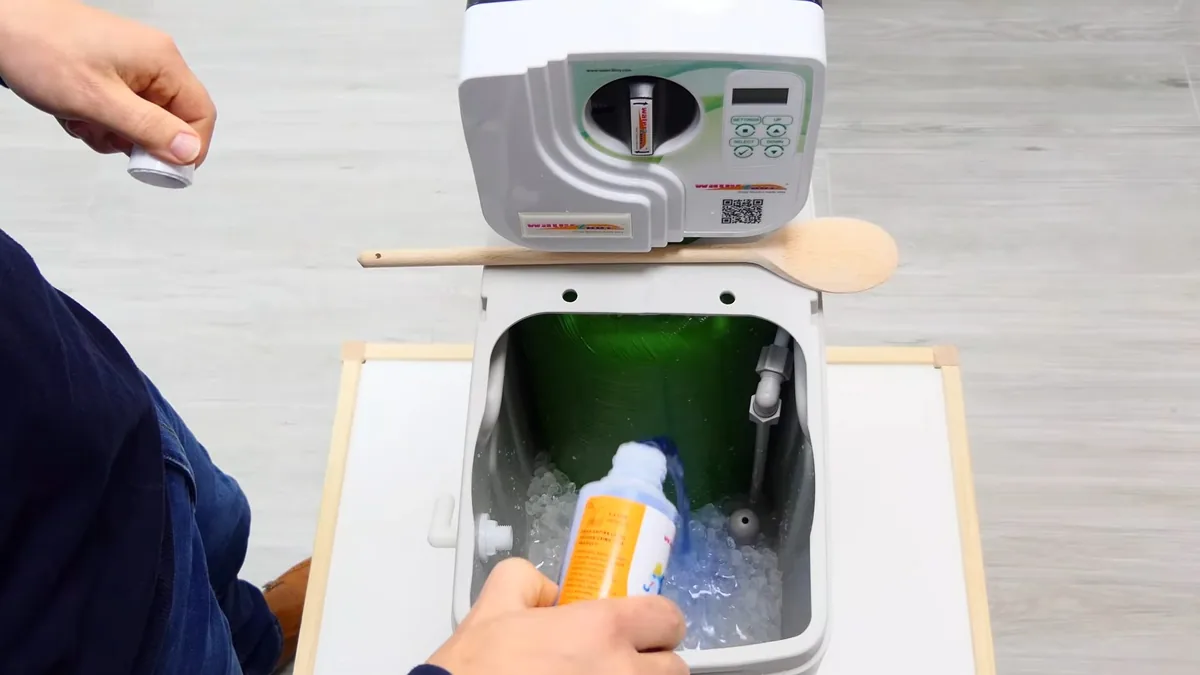
Most softeners need salt added to the brine tank every so often. Check the level every month or two and top it up so it stays well above the water line. Use the salt type the maker recommends, and break up any crust you see. If the unit regenerates at night, expect the sound of water in the drain, which is normal.
Softener and filtration questions
Can a plumber replace a softener valve or reinstall a unit?
Yes. Plumbers replace control valves, swap resin and move or reinstall softeners. Bring the make and model and describe what the unit is doing so the right parts are ordered.
How can I tell if I have hard water, and how is it tested?
Scale on faucets, spotted dishes and soap that will not lather are common signs. A plumber can test the water at the tap, and your water provider may publish a quality report. Test before you buy a treatment system.
Can a plumber repair a water conditioner?
A plumber can service many softeners and conditioners, including valves, salt bridges and drains. For a conditioner that uses no salt, check the maker's service steps. A plumber can check the plumbing connections.
What does a softener or filtration system cost?
It depends on the equipment, the size of the household and the plumbing the installation needs, so no honest number exists before the water is tested. The cost page explains how prices are built, and a quote follows the test.
Water treatment questions?
Dispatch is on the line now. Say what you are seeing, and a licensed and insured plumber serving your area will be arranged.
- Licensed and insured plumbers
- Same-day service when available
- 24/7 emergency dispatch