Sedalia, Colorado · Sewer line repair and replacement
24/7 Emergency Line Open
Sewer Line Repair in Sedalia, CO: Backups, Camera Checks and Replacement
The sewer line is the pipe that takes every drain in the house away, so when it fails, more than one fixture does. Service here covers clearing the line, a camera inspection to see the damage, repair or lining, and full replacement when a line has failed. Dispatch answers around the clock.
- Licensed and insured plumbers
- Same-day service when available
- 24/7 emergency dispatch
Sewer line repair when the backup will not stop
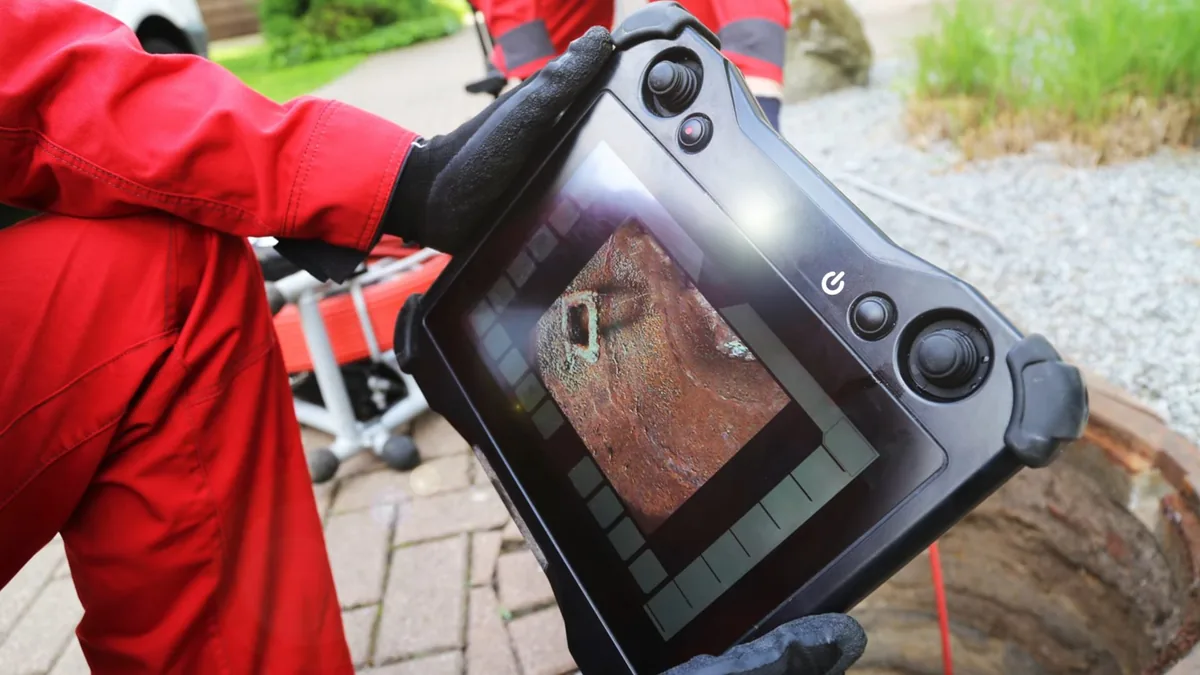
A sewer line carries everything from the house's drains out to the main or to a septic tank. When it fails, waste has nowhere to go and shows up in the lowest drain in the house, usually a floor drain, a basement tub or a toilet. A repair begins with a camera inspection that shows what has gone wrong: a blockage, roots in a joint, a cracked or offset pipe, or a section that has collapsed.
The repair then matches the damage. A blockage with a sound pipe is cleared. A cracked section is repaired or relined. A badly damaged run is replaced. Any digging should be preceded by a call to Colorado 811, well before the excavation, so buried utilities are marked first. The plumber or the homeowner places that call depending on who is digging.
These are the usual signs that the main line, and not a single drain, is the problem:
- Gurgling in a toilet or tub when another fixture drains.
- Water backing up into the lowest drain in the house, often a floor drain.
- Several fixtures draining slowly at once.
- A sewage smell near a drain, a cleanout or the yard above the line.
Trenchless lining and pipe bursting: fixing a line without a trench
Trenchless repair avoids digging a long trench across a yard, driveway or landscaping. Two methods are common. Lining pulls a resin-saturated liner through the old pipe and cures it into a new pipe inside the old one. Pipe bursting pulls a new pipe through the old path while breaking the old one apart.
Neither is right for every line. Lining needs a pipe that is open and mostly round, and it does not fix a deep belly where water pools. Bursting suits a pipe that has failed along its length but whose path is straight. Both need access pits at each end, which is far smaller than a trench but not zero. A camera pass tells the plumber which of the two, or a conventional dig, fits the damage.
Sewage rising in a floor drain?
Stop running water in the house and call dispatch now. A plumber serving your area can confirm whether it is the main line and what comes next.
Camera inspection: what the scope shows and why to ask for one
A camera on a flexible cable travels down the line and records what is there. It finds roots entering at joints, cracks, offsets where two pipe sections no longer line up, sags that hold water, and debris. It also locates the depth and position of the problem, so a dig, if one is needed, goes to the right spot.
The same inspection also serves buyers. A camera scan before a purchase shows the sewer's condition when the walls and landscaping cannot. Ask for the footage and a written note of where problems sit, measured from the cleanout. A cleanout is the capped access pipe near the house, and knowing where yours is helps every future visit.
| Finding | What it usually means | Typical next step |
|---|---|---|
| Roots at a joint | A small opening where roots enter | Cut roots, then repair or line the joint |
| Crack or offset | Pipe sections moved or broke | Spot repair, lining or replacement |
| Belly or sag | A low spot holds water and waste | Regrade by replacement; lining will not fix it |
| Scale or grease buildup | A narrowed pipe wall | Jetting, then monitor |
| Collapsed section | The pipe has failed | Excavation and replacement |
Sewer cleaning and jetting: when it is enough
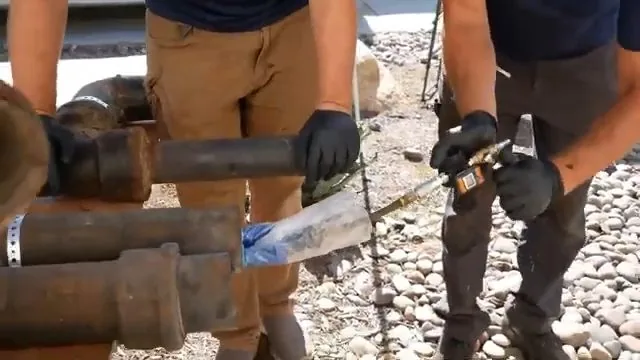
Cleaning is the right call when the pipe is sound and the problem is buildup or roots. A cable machine cuts a blockage or root mass, and hydro jetting scours the pipe wall. Both restore flow, and neither repairs a break. Roots grow back toward the moisture in the pipe, so a line with a root problem may need cutting again unless the opening is repaired. If the line backs up again soon after cleaning, a camera check is the next step, because the cleaning has probably only treated a symptom.
Clearing the line before a repair is also standard. It lets the camera see the pipe, and it protects the plumber from working in a line that is still full. After cleaning, ask whether the water drains freely at every fixture and whether the cleanout runs clear, since a line that clears slowly may still be partly blocked.
Sewer or septic: who is responsible for the line?
Before deciding who to call, confirm what your home connects to. Sedalia Water and Sanitation District says on its own site that, despite its name, it does not provide sanitary sewer service. Douglas County Health Department describes an on-site wastewater treatment system, commonly a septic system, as the way wastewater is handled for properties that cannot be served by a wastewater utility. Which one applies to a given address is a matter for your property records, the county or whoever sends a sewer bill.
| Your home | The line and its treatment | Who to involve |
|---|---|---|
| Connected to a wastewater utility | Where the owner's responsibility ends varies, so confirm it with the utility | A plumber for the line; the utility for its own main |
| On a septic system | The line runs to a tank and a soil treatment area | A plumber for the house plumbing; a licensed septic contractor for the tank and field |
The county regulates septic systems through its Health Department, which requires a permit to install, alter or repair one. Details are on the county's septic systems page, and the district's own statement is on its about page. Septic tank work is a separate licensed trade and is not offered here, but a plumber can still clear and repair the house sewer line that feeds it.
If a backup affects only one fixture, the problem is more likely a drain clog than a sewer issue, and the drain cleaning page covers it.
Sewer replacement: when a line has to come out
Replacement becomes the answer when a line has collapsed, has a deep belly, is crushed, or has failed in several places. Older pipe types such as clay and Orangeburg, a fibrous tar-impregnated pipe, are known for cracking and deforming, and cast iron can corrode from the inside. If your line is one of these, a camera pass is the way to see its condition.
The choice is excavation, bursting or, for the right pipe, lining. A plumber compares them against the line's depth, the surface above it and the budget for restoring the surface. A permit is required from Douglas County for plumbing work of this kind, and the person doing the work normally pulls it. A sewer smell that persists after cleaning, or a cleanout that fills quickly, are signs the line needs a closer look.
When a backup has already wet floors, the removal and drying work is covered on the removal and drying after a backup.
Not sure if it is the sewer line?
Describe which drains are slow and what you smell. Dispatch can tell you whether it sounds like the main line and arrange a plumber serving your area.
Sewer line questions
Why does my house smell like sewage?
A dry floor drain trap, a loose toilet seal or a cracked vent pipe can all let sewer gas in. A smell that comes with slow drains may mean a partial blockage in the main line. If the smell is strong, comes with gurgling or follows a backup, call, since a plumber can check the line and the traps.
Who do I call about a clogged sewer line?
Call a plumber first. A plumber can clear the line, run a camera and tell you where the blockage sits. If the camera shows the problem is beyond your property line, or your home is on a septic system, the plumber will point you to the right party.
What does a sewer camera inspection find?
It finds cracks, roots, offsets, sags and buildup, and it shows the depth and location of each. You can ask for the video and a written note of what was found and where it sits, measured from the cleanout.
Is a sewer scope the same as a home inspection?
No. A home inspection looks at visible parts of the house. A sewer scope sends a camera down the line to see what the inspection cannot, so it is useful as an add-on before buying a home.
What should I do about a clogged main sewer line?
Stop using water, since each use adds to the backup. Do not use chemical cleaners. Call, and describe which fixtures are affected, and the plumber will clear the line and check why it clogged.
When is lining a better choice than digging?
Lining fits a sound, open pipe that has cracks or root entry points, and it avoids a long trench. Digging is needed when the pipe is collapsed, deeply bellied or crushed. A camera inspection decides which one applies.
Sewer backup in Sedalia?
Dispatch is open now. Say what you see, and a licensed and insured plumber serving your area will be arranged.
- Licensed and insured plumbers
- Same-day service when available
- 24/7 emergency dispatch