Sedalia, Colorado · Water damage removal and drying
24/7 Emergency Line Open
Water Damage Restoration in Sedalia, CO: Extraction, Drying and Moisture Checks
Hours matter once a pipe bursts or a fixture overflows, because they decide how much has to be torn out. This page explains water removal and drying, what happens on a job, and how mold testing fits in. It covers removal and drying only, not rebuilding.
- Licensed and insured plumbers
- Same-day service when available
- 24/7 emergency dispatch
Water extraction and removal: the first hours
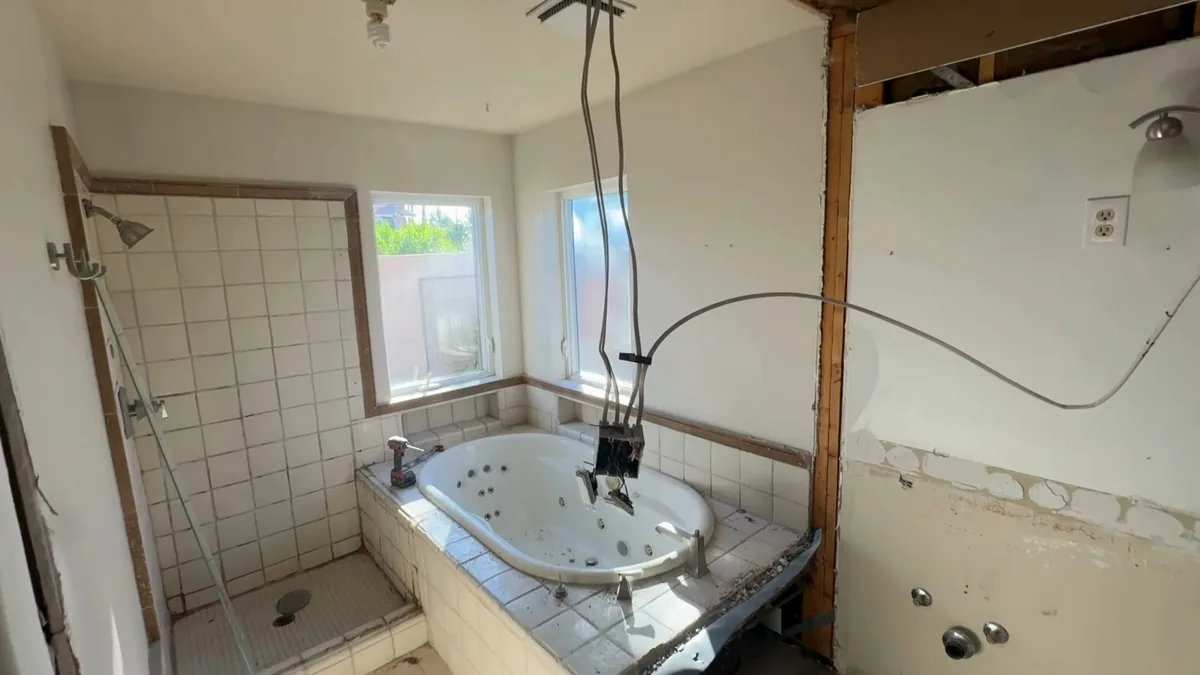
Water damage restoration here means removing standing water and drying what got wet. It does not include rebuilding, and it does not cover fire, smoke or soot, which are a different trade. The first job is to stop the source. If a pipe has burst or a fixture has overflowed, shut off the supply and, if water has reached outlets, the power to that area. Then the water has to come out, because the longer it sits, the deeper it goes into drywall, carpet pad, subfloor and framing.
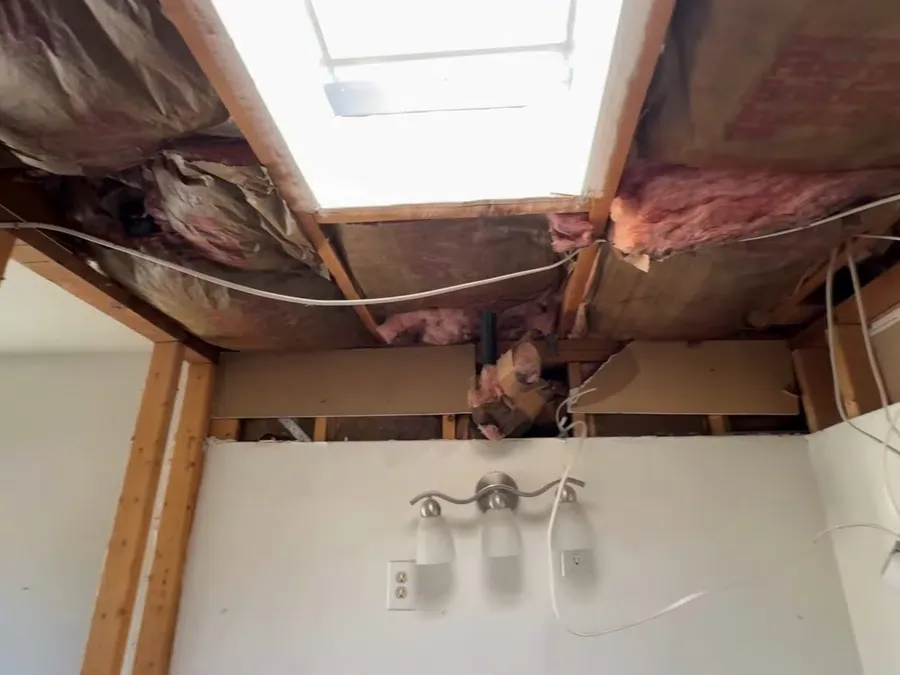
Extraction uses pumps and wet vacuums to pull standing water out of a room, then moves to the materials that hold moisture. A moisture meter and, where needed, a thermal camera show where water has traveled, including places that look dry. Wet carpet pad and soaked insulation are usually removed, since they dry slowly and hold moisture against the structure. Work moves quickly because the time between the loss and the drying matters.
For a plumbing emergency, call the water damage line at (720) 715-9391 and tell the dispatcher what happened, where the water is and whether the supply is off.
Burst pipes and plumbing leak damage
Plumbing failures are the usual cause of residential water damage: a burst or frozen pipe, a failed supply line under a sink or behind a toilet, a leaking water heater, an overflowing tub, or a washing machine hose that lets go. Each of them puts water where people do not expect it, often inside a wall or above a ceiling, and the damage spreads before it shows. The repiping page covers the burst-pipe emergency itself, and the guide to hidden leak detection explains how a concealed source is found.
| Source | Where the water goes | What dries or is removed |
|---|---|---|
| Burst or frozen pipe | Walls, ceilings and floors below the break | Wet drywall, insulation and flooring |
| Supply line or fixture failure | Cabinets, subfloor and the room below | Cabinet bases, flooring and subfloor |
| Water heater leak | Utility room floor and adjoining rooms | Flooring, baseboards and drywall near the floor |
| Overflowing toilet, tub or sink | Bathroom floor and the ceiling below | Flooring, ceiling drywall and insulation |
| Appliance hose or drain failure | Kitchen or laundry floors and cabinets | Flooring, cabinets and wall bottoms |
The sooner the source is shut off and the water is removed, the less material has to be removed and the shorter the drying takes.
Water on the floor right now?
Shut off the supply if you can, then call the water damage line. A plumber serving your area can start removal and drying.
Flooded basements, crawl spaces and whole-house flooding
Water collects in the lowest parts of a house, so basements and crawl spaces take the worst of a flood. Water in a basement may come from a failed pipe or water heater, a sewer backup, a sump pump that did not run, or groundwater and storm runoff. Whole-house flooding from a burst main or a long overflow adds ceilings and upper floors to the problem. In each case the steps are the same: stop the source, remove the water, take out what cannot be saved, and dry the structure.
Before going into a flooded basement, turn off power at the main panel only if you can reach it from a dry spot. If the panel itself is wet or the water is rising toward outlets, stay out and call the electric utility or 911. Water and electricity make a flooded room dangerous even when the water looks shallow.
Sewage backup cleanup
Water from a sewer backup is not clean water. It carries bacteria, and anything it touches is treated differently from water from a supply line. Porous materials such as carpet, pad and drywall that sewage has soaked are normally removed rather than dried, and hard surfaces are cleaned and disinfected. Keep children and pets away from the area, and keep your own contact to a minimum.
Sewage backup also needs the sewer problem fixed, which is covered on the sewer line repair page. Removal and drying cover the cleanup, not the repair of the line.
What happens on a job
A water damage job follows a sequence, and knowing it makes the visits easier to follow.
- The source is found and stopped, and the area is made safe from electrical and slipping hazards.
- Standing water is extracted with pumps and wet vacuums.
- Moisture is mapped with meters and a thermal camera, so the extent of the wet area is documented.
- Materials that cannot be dried, such as soaked pad or insulation, are removed and set aside for disposal.
- Air movers and dehumidifiers are set up, and the space is closed so drying is controlled.
- Moisture readings are taken again on each visit until the materials reach normal levels, and the equipment is removed.
Drying equipment runs for days, and the noise and warmth are normal. The readings, not the calendar, decide when the job is finished.
Damage assessment, moisture mapping and insurance records
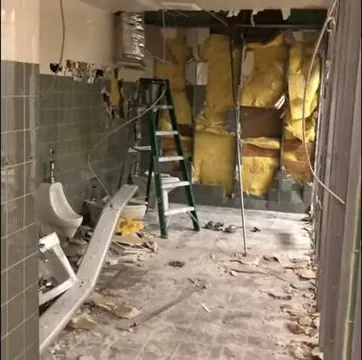
After a loss, the assessment records what was wet, how far the water traveled and what had to be removed. Photos, moisture readings and a written scope of work are the documents an insurance adjuster expects. Keep them, along with receipts for emergency steps you took. Take your own photos of the damage before cleanup starts, list damaged belongings, and note the date and time you found the water. Call your insurer promptly, because policies have notice requirements and may require an adjuster to see the damage. A plumber can document the plumbing source, such as a burst supply line, in writing, and the restoration notes cover the drying.
Mold testing and removal of affected material
Mold needs moisture, food and time, and wet drywall, carpet and wood supply all three. Mold can begin to grow quickly in a damp building when materials stay wet, which is why drying quickly is the best protection. Signs include a musty smell, visible spots on walls, ceilings or the underside of flooring, and a wall that stays damp after a leak was fixed.
Testing, also called an assessment, looks for mold and moisture where it cannot be seen. It may include a visual inspection, moisture readings and air or surface samples sent to a lab. The results tell you whether mold is present, how widespread it appears and what type is involved. Where mold has grown on porous materials, those materials are cut out and removed, and the area is cleaned and dried. Removal is limited to the affected material and cleaning, and it does not include rebuilding what was taken out.
Drying equipment, flooring and other water sources
Air movers push moving air across wet surfaces, and dehumidifiers pull moisture out of the air so it does not settle back. Hardwood, laminate and carpet respond differently. Carpet can sometimes be lifted and dried, and the pad is replaced. Hardwood may cup or crack if it stays wet, and drying panels can help when the floor is caught early. Not every wet area comes from plumbing. Roof leaks, a failing air conditioner condensate line, a neighbor's sprinkler, a broken irrigation line that floods a crawl space or a storm can all put water inside, and the drying steps are much the same. Where the cause is not plumbing, the source needs repair by the right trade, and a plumber can confirm the plumbing is not at fault.
Basement waterproofing and foundation repair are a separate trade from drying. A plumber can inspect plumbing and sump equipment, but sealing walls or correcting drainage around a foundation is not part of this service.
Condos and apartments need coordination with the association or the landlord, because water often travels between units. Storm, river and rain flooding are removal and drying jobs too, and your insurer can tell you how that cause is covered.
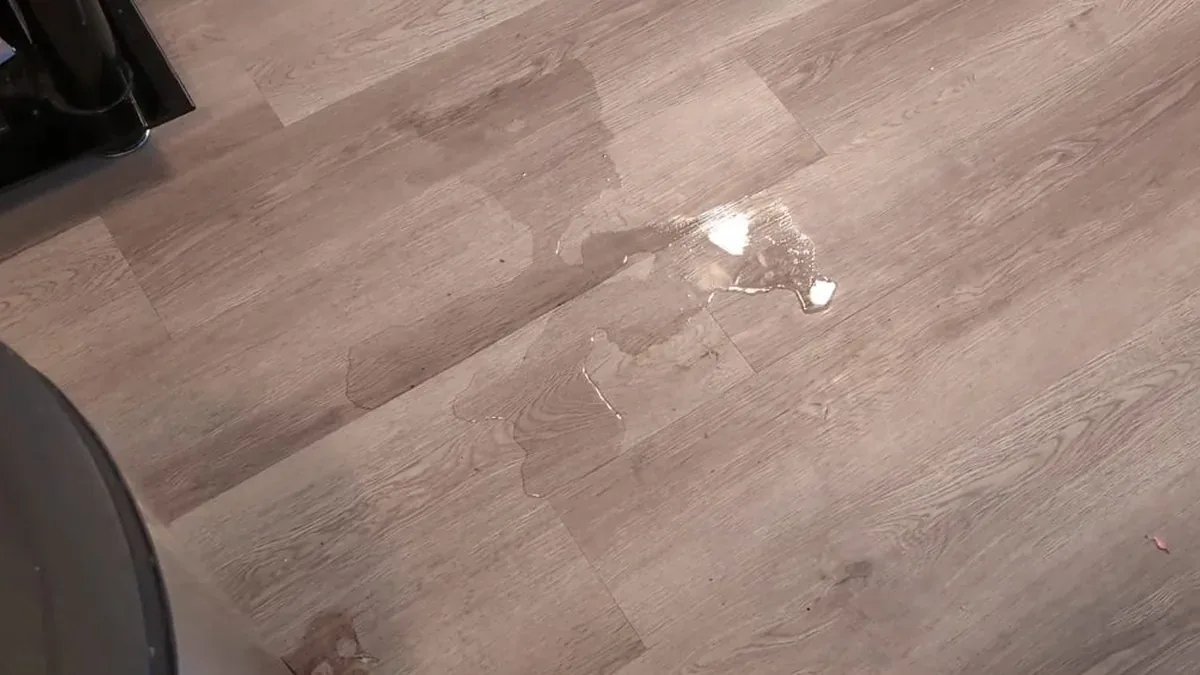
Water damage questions
What does water damage restoration cover here?
It covers finding and stopping a plumbing source, extracting standing water, removing what cannot be saved and drying the structure, with moisture readings to show when it is done. It does not cover rebuilding.
How fast does water damage need attention?
As fast as possible. Wet materials hold moisture, and the longer they stay wet the more they absorb, and mold can start quickly. Stopping the source and starting removal quickly limits the damage.
Is mold testing available after a leak?
Yes. An assessment includes moisture readings and, where warranted, samples sent to a lab. If mold is found on porous materials, those materials are removed. Rebuilding afterward is a separate job.
Should I call my insurance company first?
Call your insurer soon, since policies have notice rules, but do not wait for them to start stopping the source and limiting the damage. Take photos before cleanup and keep receipts.
Water damage in your home?
Call the water damage line. Say where the water came from and whether the supply is off, and a plumber serving your area will be arranged.
- Licensed and insured plumbers
- Same-day service when available
- 24/7 emergency dispatch