
Sedalia, Colorado · Leak detection and repair
24/7 Emergency Line Open
Emergency Leak Detection in Sedalia, CO: Find the Source, Then Fix It
Most people expect a leak to be obvious. Many are not: a pinhole in a line behind a wall can run for weeks before anything shows, and a toilet that seems fine can lose gallons a day without a sound. The plumber's job is to find the source first and open walls second, and dispatch can tell you whether a visit today is possible.
- Licensed and insured plumbers
- Same-day service when available
- 24/7 emergency dispatch
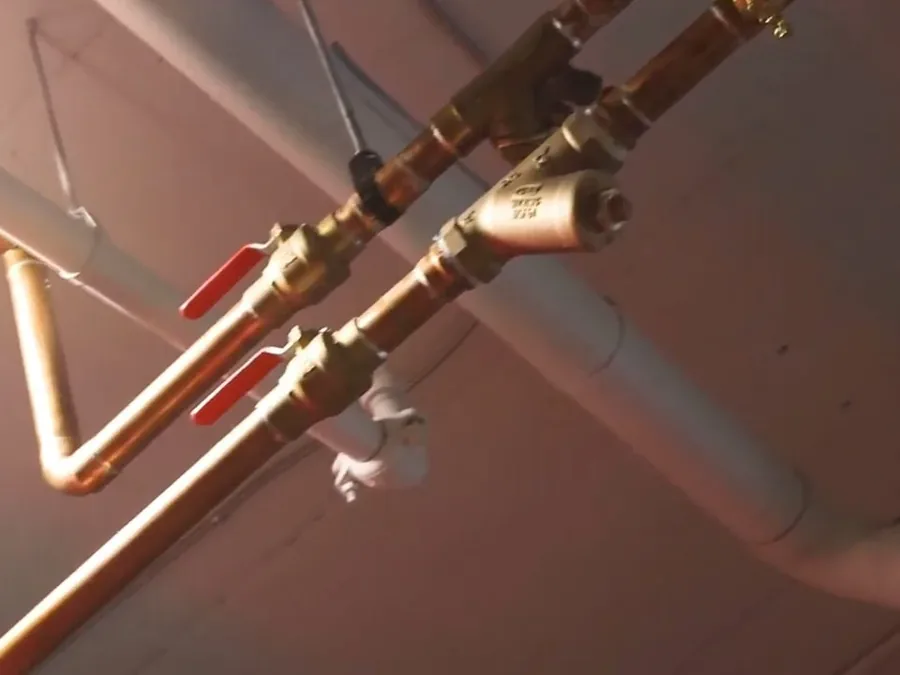
Leak repair: from the first drip to a finished fix
A leak repair starts with stopping the water and ends with a dry, tested line. Between those two points sits the part that decides the effort involved: finding where the water actually comes from. A stain on a ceiling is rarely directly under the pipe that feeds it, because water follows framing, wires and pipe runs before it shows itself.
The usual sources are a worn supply line, a failed fitting, a cracked fixture connection and an appliance hose that has aged out. Each has a different fix. A fitting is a short repair. A pipe with several pinholes along its length is usually telling you the whole run is tired, and the plumber will say so plainly and point to where.
If water is actively running, close the main shutoff first and then call. Dry what you can reach, move belongings out of the wet area, and keep the space clear so the plumber can get to the pipe.
Leak detection: how a plumber finds water you cannot see
Detection is the step that keeps walls and floors intact. Instead of opening a wall and hoping, the plumber narrows the search with tools that pick up what the eye cannot. Which one fits depends on where the water is going and what the pipe is made of.
| Method | What it picks up | Where it fits best |
|---|---|---|
| Acoustic listening | The hiss or hum of water escaping a pressurized line | Supply lines in walls, floors and under slabs |
| Electronic tracing | A signal traced along a pipe to where it changes | Buried or enclosed lines when the route is uncertain |
| Thermal imaging | Temperature differences where water is cooling or warming a surface | Wall and ceiling leaks, hot water lines, radiant areas |
| Pressure test | A line that cannot hold pressure after it is isolated | Confirming a leak exists before anything is opened |
| Camera inspection | Cracks and breaks inside a drain or sewer line | Drain lines that leak or seep rather than supply lines |
A pressure test is often the first move. The plumber isolates a section, applies pressure and watches the gauge, which separates a real leak from a fixture that only seems to be misbehaving. Then the listening and tracing tools narrow the search to a small area before anyone cuts into drywall or flooring.
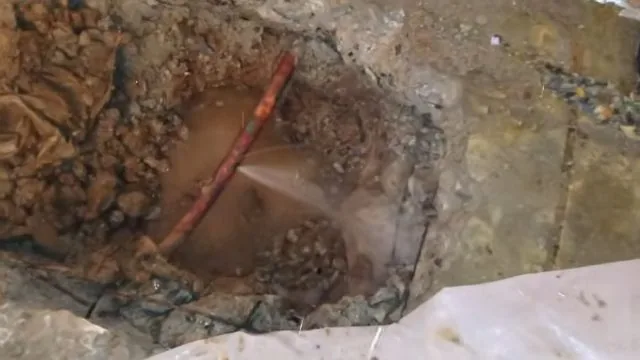
Water bill climbing with no explanation?
Dispatch can arrange a leak check and tell you what to expect before a plumber is on the way. Call any hour.
Signs that water is going somewhere it should not
Not every leak announces itself. These are the signals that tend to appear first, roughly in the order people notice them.
- A ceiling or wall stain that grows, darkens or feels soft to the touch.
- A warm spot on a floor, or a patch of carpet that never fully dries.
- A musty smell in a closet, cabinet or basement corner that does not go away.
- The sound of running water when every tap and appliance is off.
- A water bill that rises with no change in how many people live in the house.
- Low pressure at one fixture, or at the whole house, that came on gradually.
One check takes five minutes and needs no tools. Turn off every tap and appliance, note the reading on the water meter, wait half an hour without using any water, then read it again. If the number has moved, water is leaving the system somewhere, and a plumber can find where. If a district or another provider supplies your water, your bill shows who it is, and a reading that moves with everything off is worth reporting to them as well.
Hidden and underground leaks: confirm what you have first
Where a leak hides depends on how the house is built, so the first question is which foundation you have: a basement, a crawl space or a concrete slab. Each one puts pipes in a different place, and each one fails in a different way. Do not assume. A plumber who looks at the house and the meter can tell you which lines are most likely involved before any tool comes out.
Basements and crawl spaces tend to show a leak sooner, because the pipes are exposed overhead and moisture shows up on the ground or the framing. Lines buried in a slab or underground in a yard are harder: the first clue may be a bill, a warm spot or the sound of water, and the work is mostly location. The slab leak page covers that case in depth.
A local detail that helps inspection
The county's basement finish guide calls for pipes beneath structural floors to hang at least 3 inches off the ground. Lines hung that way are easier to inspect than lines buried under concrete, which is one reason a basement leak is often quicker to confirm. Source: Douglas County basement finish guide.
Outdoor lines have their own risk. The Douglas County Building Division lists a minimum frost depth of 36 inches in its design information, and a service line that sits shallower than that, or runs through an unheated space, is the most likely place for a winter split. When water appears in a yard in cold weather, a buried line is a suspect before an indoor fixture is.
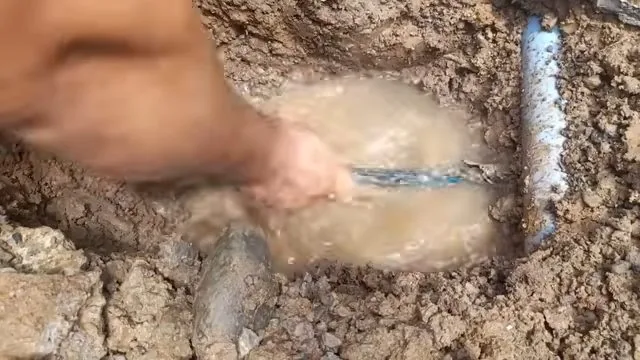
Wall, ceiling and fixture leaks
Fixture leaks are the most common and the easiest to fix, which is why they are worth catching early. A toilet that runs after flushing, a faucet that drips from the spout or the base, and a shower valve that weeps behind the trim all waste water every hour of the day. A toilet can leak silently into the bowl with no sound at all. A few drops of food coloring in the tank, left for fifteen minutes, will show color in the bowl if the flapper is letting water through.
Wall and ceiling leaks need more care. The plumber will trace the source upstream, which may be a supply line, a drain line or a shower pan from the room above, and then the repair and the drywall repair can be planned in the right order.
Ceiling stain growing?
Call and tell dispatch where the water is showing. A plumber serving your area can find the source before more of the ceiling comes down.
Plumbing inspections and pipe condition checks
An inspection is a look at the whole system rather than one leak. It makes sense after a repair that turned up worn pipe, before buying a home, and after a hard freeze when lines in a garage, crawl space or exterior wall may have been stressed. The plumber checks shutoff valves, supply line condition, visible corrosion, water pressure and the fixtures that tend to fail quietly.
Pressure testing of the lines and a look at the meter give the clearest read on whether the system is holding. If the findings point to repeated trouble in one run, the next step may be a larger fix, and the repiping page explains when replacing a run beats chasing individual leaks. A leak in the water line between the meter and the house is a different repair, covered under repairing a buried water line.
Sprinkler and irrigation leaks are a separate trade and are not handled here. If water pools in the yard and the irrigation system is running, shut off the irrigation zone first, because that rules out a plumbing line.
After a leak has already wet floors, insulation or drywall, the drying and removal work is covered on the drying out wet materials.
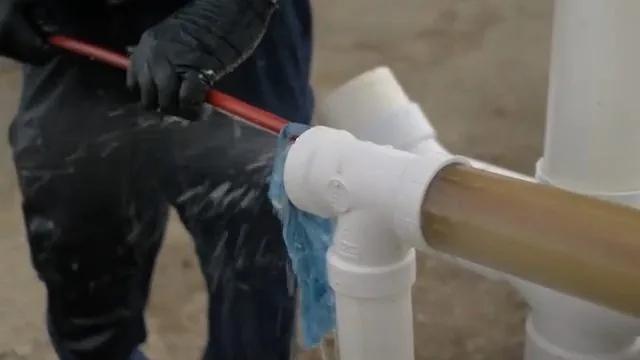
Leak questions from Sedalia homeowners
What should I do about a leak coming through my wall?
Close the main shutoff valve, then call. Turn off the power to that part of the house at the breaker if the wall has outlets or lights near the wet area. Move belongings away from the wall, and note where the water first appeared so the plumber can trace it back to its source.
How do plumbers find a leak that is underground?
The plumber confirms the leak with a pressure test and the meter, then uses listening gear and electronic tracing to narrow the location to a small area. Digging starts only after that, and it can often be limited to a short section of line instead of a long trench.
Can a leak be repaired the same day?
Same-day leak repair is offered when a plumber is available. A visible leak at a fixture or fitting is often finished in one visit. A hidden leak may need a detection visit first, and dispatch will explain what the first visit can and cannot finish.
What does a water stain on the ceiling mean?
It means water has reached the ceiling, though not always from directly above. It may be a supply line, a drain line, a roof issue or condensation. A plumber looks at the lines above the stain and can often tell by the pattern whether the water is clean, from a drain or from outside.
Leak found or still hunting?
Dispatch is open around the clock. Give an address and a description, and a licensed and insured plumber serving your area will take it from there.
- Licensed and insured plumbers
- Same-day service when available
- 24/7 emergency dispatch