Sedalia, Colorado · Repiping and pipe repair
24/7 Emergency Line Open
Repiping and Pipe Repair in Sedalia, CO: Burst, Frozen and Failing Pipes
Some pipe problems are one-time repairs, and others are a sign the whole system is wearing out. This page helps you tell them apart, covers what to do in the first minutes of a burst, and explains how repiping and spot repairs differ.
- Licensed and insured plumbers
- Same-day service when available
- 24/7 emergency dispatch
Whole-house repiping: when patching stops making sense
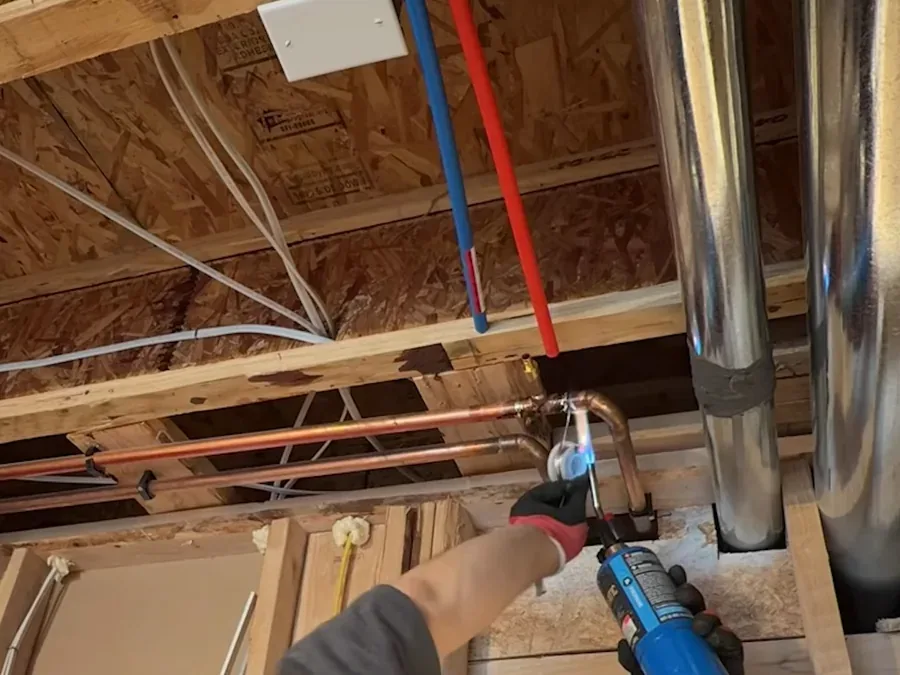
Repiping replaces the supply lines that carry water through the house with new pipe. It is the answer when leaks keep appearing in different places, when the water runs brown or rusty from the tap, when pressure has fallen because the pipe has narrowed inside, or when the pipe material is known to fail. A single repair fixes one spot. Repiping fixes the system, and the decision usually comes down to how many repairs the same pipe has already needed.
A plumber starts by finding out what you have and how much of it is bad. That means looking at the pipe where it is exposed, reading its markings, checking the water pressure and, if needed, opening a section of wall. The result is either a recommendation to repair, to replace in stages, or to repipe the whole house. A staged approach, starting with the worst runs, can spread the work out when a full repipe is not practical right now.
Repiping means opening walls, ceilings or floors at access points, so ask the plumber where those openings will be, how they will be patched, and what the schedule is. Water is off for part of each day, so plan for that.
Pipe materials and how each one fails
Knowing the material helps you judge how worried to be. The table lists the pipes plumbers meet most often and the way each one tends to give trouble.
| Material | Where it shows up | Typical problem |
|---|---|---|
| Copper | Many homes of different ages | Pinhole leaks and corrosion from water chemistry |
| PEX | Newer homes and repiping jobs | Damage at fittings or from sunlight and rodents |
| Galvanized steel | Older homes | Rust inside the pipe, low pressure and brown water |
| Polybutylene | Homes built in a period when it was common | Brittle fittings that can fail without warning |
| CPVC | Some homes and additions | Becomes brittle with age and at stressed joints |
| Cast iron or PVC | Drains and waste lines, not supply | Cracks, roots and corrosion on cast iron |
Look under sinks, near the water heater and where the main enters the house to see what the pipe is. If you cannot tell, a plumber can identify it in minutes.
Pipes leaking in more than one place?
Call dispatch and describe what you see. A plumber serving your area can say whether repair or repiping is the better path.
Burst pipe: what to do in the first minutes
A burst pipe moves a lot of water quickly, and the damage grows with every minute it runs. The first goal is to stop the flow, the second is to limit the damage, and the third is to call for help while you do both.
- Shut off the main water valve, usually where the line enters the house, and open a low faucet to drain the lines.
- Turn off power to any area where water has reached outlets or appliances, if you can do so from a dry spot.
- Move valuables, rugs and furniture out of the wet area, and start removing standing water with towels or a wet vacuum.
- Take photos of the damage and the broken pipe for insurance before anything is thrown away.
- Call dispatch. Describe where the water is coming from and whether the main is off.
After the water is stopped, the question becomes drying. The water damage removal and drying page explains what that covers, and the finding a hidden source helps if the source is not obvious.
Frozen pipes and thawing them safely
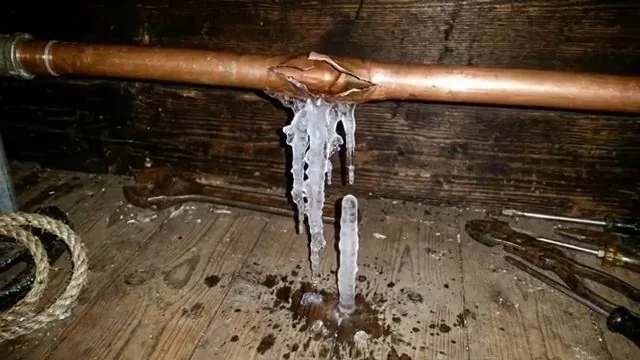
Freezing is a real risk in this part of Colorado. The county's builder guidance sets minimum frost depth at 36 inches, which is a reminder that the ground and the air freeze hard enough to threaten pipes in exterior walls, crawl spaces, garages and unheated rooms. A frozen pipe may not be broken yet, but ice expands as it forms, and the pipe can split once it thaws.
If a tap runs slowly or not at all in cold weather, leave the tap open and warm the pipe gently, starting nearest the faucet, with a hair dryer or warm towels. Never use an open flame, and do not use a torch. If a pipe has split, close the main and call. Insulating exposed pipes, sealing drafts and letting a faucet drip during a hard freeze help prevent a repeat.
Pipe repair and spot replacement
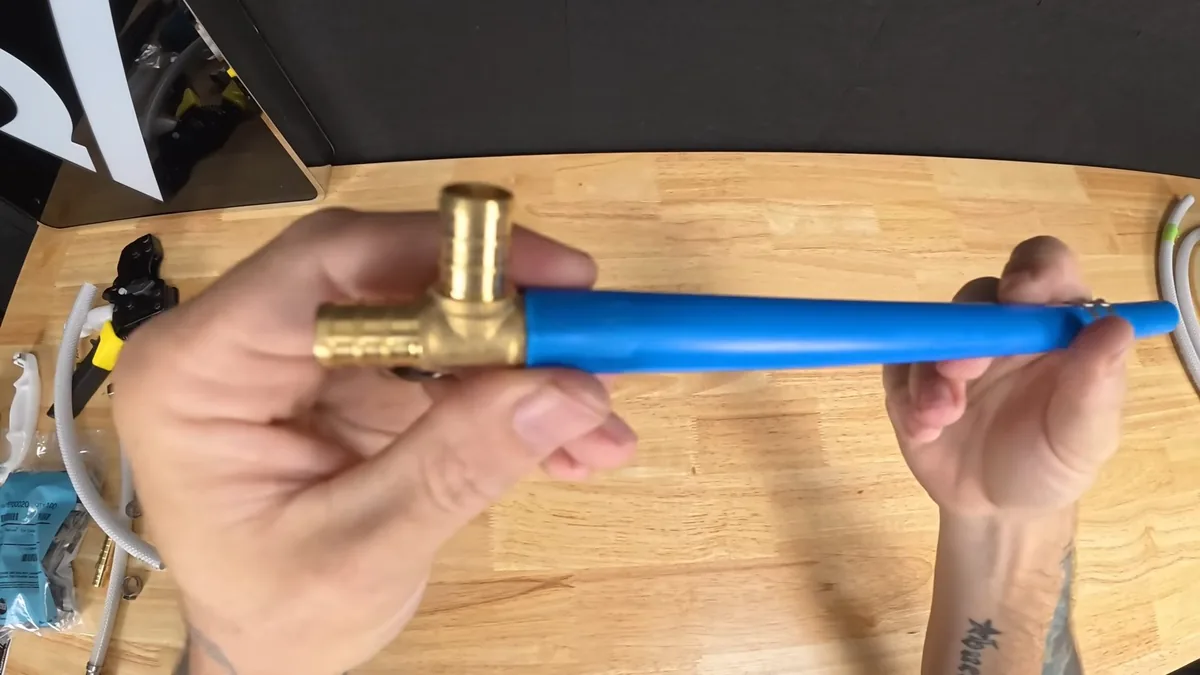
A spot repair is the right call when one run has failed and the rest of the pipe is sound. A plumber cuts out the damaged section and splices in new pipe with fittings suited to the material, then pressure tests the line. For copper, that means a sweat or press fitting. For PEX, it means crimp or expansion fittings. Pinhole leaks in copper are a warning sign, since a pipe that has developed one pinhole often has others on the way. Ask the plumber to look at the length of the pipe, not just the leak.
Copper, PEX and picking the new pipe
Copper is durable and familiar, and it resists heat and sunlight. It takes longer to install because every joint is soldered or pressed. PEX is flexible, which lets it run long distances with fewer fittings, and it resists freezing damage better than rigid pipe because it can expand slightly. Both are accepted for repiping. The plumber can explain which one suits your house and your water, and should name the fittings and the warranty on the quote.
Replacing galvanized or polybutylene pipe is usually a priority, since both can fail in ways that patching will not solve. If your pipe is under the slab, the slab leak page explains the options for pipes you cannot reach, and it starts with confirming what your home is built on.
Repiping and pipe questions
When should galvanized pipe be replaced?
Galvanized steel rusts from the inside, so low pressure, brown water and repeated leaks are signs it has reached the end of its useful life. A plumber can inspect it and say whether replacing a section or the whole system makes sense.
What is the difference between cast iron, PVC and CPVC?
Cast iron is a heavy metal pipe used for drains. PVC is a rigid plastic used for drains and cold lines. CPVC is a plastic rated for hot water supply. They are not interchangeable, so a plumber matches the material to the job.
Can pipes under a slab be repiped?
Yes, but the options are different. A plumber can reroute the line through walls or the attic instead of breaking the slab, or repair the pipe in place. Confirm what your home is built on first, then ask for the options.
What if the leak is at a pump or the pipe near it?
A pump or pressure tank is a separate piece of equipment from the pipe. A plumber can check whether the leak is in the pipe, a fitting or the equipment, and say what repair applies.
Is PVC or cast iron better for a drain?
Both are used. PVC is lighter and easier to work with, and cast iron is quieter and heavier. The choice depends on the line and what is already installed, and a plumber can match what the repair calls for.
Burst or failing pipe in Sedalia?
Dispatch is on the line now. Tell them where the water is and whether the main is off, and a licensed and insured plumber serving your area will be arranged.
- Licensed and insured plumbers
- Same-day service when available
- 24/7 emergency dispatch