
Sedalia, Colorado · Douglas County
24/7 Emergency Line Open
What Moves the Price of a Plumbing Job in Sedalia
This page lists no prices. It explains what makes one plumbing quote larger than another, so the number you are given by a licensed and insured plumber makes sense when it arrives.
- Licensed and insured plumbers
- Same-day service when available
- 24/7 emergency dispatch
Why no dollar amounts appear here
A figure printed on a web page cannot know whether your leak is under a sink or beneath a floor. The contractor who comes sets a price after looking at the job, and any number quoted from a distance would be a guess dressed up as a fact. So no figures or ranges appear anywhere on this site.
What can be explained honestly is the shape of the decision: which details move a quote, and in which direction. The sections below go service by service, using plain descriptions of how each detail changes the work.
How a quote comes together
Pricing starts on the phone but rarely ends there. Dispatch asks what is happening, where, and for how long. That is enough to send a plumber, and often not enough to price the work.
- You describe the problem and give the address and ZIP code.
- A plumber arrives, looks at the problem and confirms the scope.
- The contractor quotes after diagnosis, and you decide whether to go ahead.
A visit may be needed simply to confirm what the job is. That is normal for anything hidden in a wall, floor or the ground.

Why two quotes for the same symptom can differ
A slow drain in two houses can be a small clog in one and a root problem in the other. A leaking water heater in a closet is a different job from one in a cramped crawl space. Even when the symptom is word for word the same, these differences can separate the quotes:
- What the plumber actually found once the problem was open to inspection.
- Whether the quote covers a temporary fix or a lasting repair.
- Whether permits, parts and cleanup are included or listed separately.
- How easy the work is to reach.
When comparing, ask each contractor what the quote includes and what it leaves out. That question settles more than the headline number.
Want a plumber to look at the job?
Call dispatch with the address and a short description. The contractor quotes after looking at the problem, and you decide from there.
Cost factors for leaks and hidden water
Leak detection & repair: what changes the work
Finding a leak is billed by the work it takes, so the first question is how hard the leak is to find.
- Size of the property and number of suspect lines. A small house with one bathroom group gives a plumber little to check. A larger one with several branches means more pipe to isolate.
- Method and reach. A leak that can be reached from a cabinet or an access panel is a smaller job than one that means opening a wall or the ground.
Slab leak detection & repair: what changes the work
When water seems to be running below a floor, the search tends to take longer than a leak in a wall.
- Time to isolate the leak. The more lines run beneath the floor and the more floor area there is, the longer it takes to narrow the location.
- Equipment used. Listening gear, thermal imaging and tracer gas each suit different situations, and the choice affects how long the visit runs.
- Spot repair or reroute. Opening the floor at one point differs from running a new line through walls or the attic, in both effort and disruption.
- Finishing after the repair. Flooring, drywall and paint are separate from the plumbing work, and whoever does the plumbing may not do them.
Water damage restoration: what changes the work
Water damage work here means getting standing water out and the area dried, so the quote follows how much there is to remove and dry.
- How much water and how far it spread. A single room is a smaller job than water that has moved into neighboring rooms or run down through a ceiling.
- What is wet. Carpet, padding, drywall and framing dry at different rates, and the mix of materials sets how long the drying takes.
- Where the service stops. Rebuilding, finish work and mold work are separate jobs, so a quote for removal and drying does not cover them.
Cost factors for drains and sewer lines
Drain cleaning & clogs: what changes the work
A clog in a single sink and a blockage deep in the house line are very different jobs, and the quote follows that gap.
- Cleanout access and blockage location. A branch line near a cleanout is quicker to reach than a main line with no convenient opening.
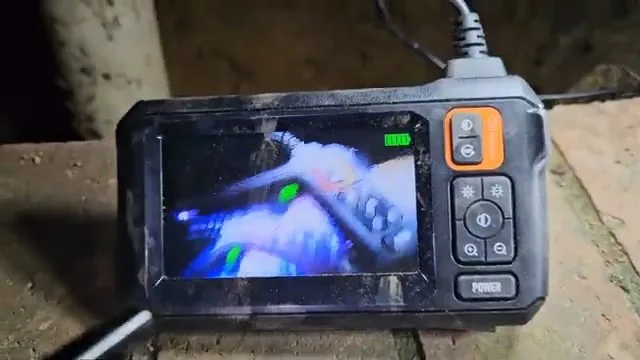
- Camera look. Whether a camera is needed to confirm the cause adds a step, though it can prevent guessing.
- Length of the run. More pipe to clear means more cable, more time and more cleanup.
- Roots, grease or scale. What is in the pipe decides which cutting head or method is used.
Sewer line repair & replacement: what changes the work
Sewer work is quoted after the line has been inspected, because what the camera shows rewrites the plan.
- Length and diameter of the line. A longer or wider run needs more material and more labor.
- Condition of the pipe. A few cracks may be repairable in place, while a collapsed section changes the method entirely.
- Reconnecting side branches. When a line is relined, each branch has to be reopened afterward, which adds to the work.
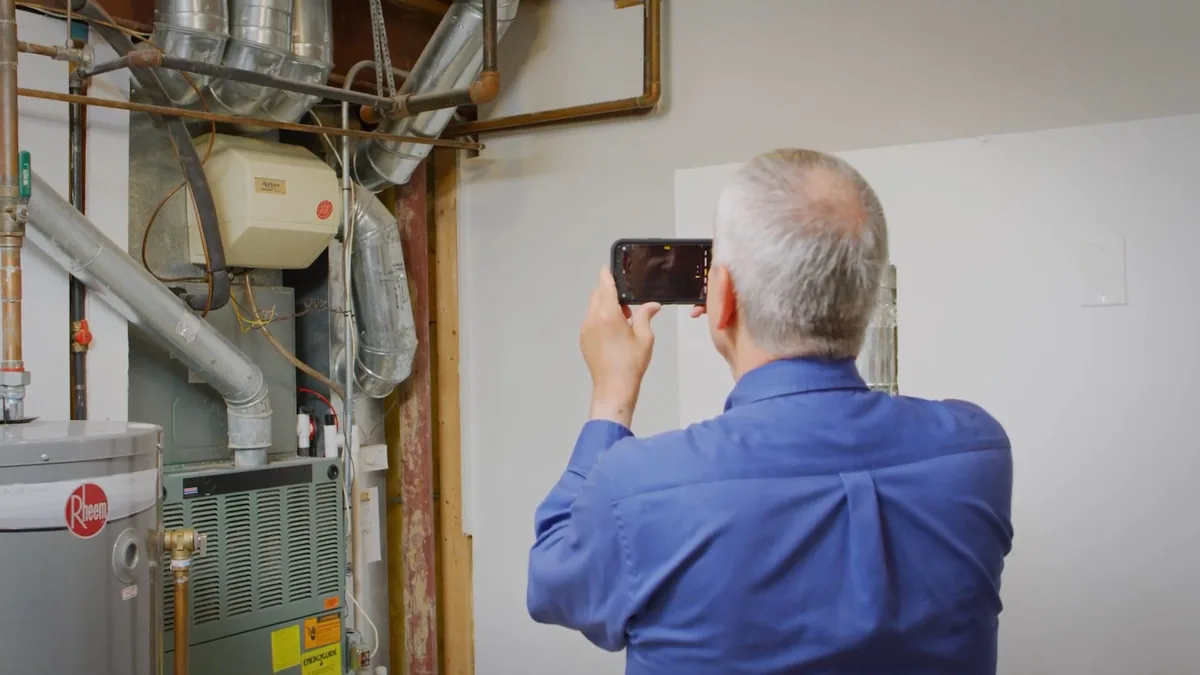
Cost factors for water heaters
Water heater repair: what changes the work
A repair quote is tied to what has failed and whether the unit is worth saving.
- Which part failed and whether it is on hand. A part that must be ordered stretches the timeline and can change the quote.
- Age of the unit. An older tank can reach the point where repair stops making sense, and the comparison with replacement becomes the real question.
Water heater installation & replacement: what changes the work
Replacing a tank is a package of choices rather than one line item.
- Tank size and fuel type. Gas, power vent and electric units come with different parts and different connections.
- Code items. An expansion tank, a permit and any venting corrections are part of doing the job to code in Douglas County.
Tankless water heater: what changes the work
A tankless unit asks more of the house than a tank does, so the install conditions matter as much as the unit.
- Gas supply and meter capacity. A tankless heater draws a lot of gas at once, so the existing line may need to be larger.
- Electrical capacity and panel space. These units need power for controls, and some need dedicated circuits, which an electrician may handle.
- Venting route and condensate drain. How the exhaust leaves the house and where condensate goes can add work.
Cost factors for pipes, gas, fixtures and water treatment
Repiping & pipe repair: what changes the work
Replacing supply pipe is scoped by the house first and the pipe second.
- House size, bathrooms and stories. More fixtures and more floors mean more pipe and more connections.
- Access. Open crawl space or attic access is easier than running pipe inside finished walls.
- Material and wall repair. The pipe chosen and the patching of walls afterward both belong in the quote.
Water line repair & replacement: what changes the work
The buried line from the meter to the house is priced by how much ground has to be dealt with.
- Length, depth and replacement material. A longer and deeper line is more work, and the pipe used for the replacement matters too.
- Trenchless or open trench. Digging a trench leaves landscaping or a driveway to restore, and avoiding it changes the method.
- Who owns which section. The meter side and the house side can belong to different parties, and utility permits may be involved.
Gas line installation & repair: what changes the work
Gas work is quoted around safety steps that cannot be skipped.
- Run length, pipe material and appliance count. Each added appliance connection means more pipe and more fittings.
- Pressure test and inspection. The test and any inspection are part of finishing the work correctly.
Faucet, toilet & fixture repair: what changes the work
A small repair can turn into a replacement if the parts underneath have aged out.
- Parts or the whole fixture. Swapping a worn part costs less effort than replacing a faucet or toilet that cannot be repaired.
- Shutoff valve and supply line condition. If the valve will not close or the line is brittle, replacing it is part of the visit.
Garbage disposal: what changes the work
Disposals vary more in build quality than people expect.
- Motor size and build. A stronger motor and heavier grinding parts come with a larger unit.
- Outlet, switch and discharge changes. A new unit that does not line up with the old connections needs adjustments under the sink.
Water softener & filtration: what changes the work
Water treatment is chosen to match the water, the household and the space.
- System type and capacity. A softener, a whole-house filter and reverse osmosis are different systems with different upkeep.
- Local water and the install spot. Water hardness, plus a nearby drain and power at the install location, shape what fits.
After-hours visits and temporary fixes
Two questions are worth asking whenever a plumber is called outside normal hours.
- Does the quote differ for an after-hours visit? Ask before the plumber starts, since the contractor sets those terms, not this site.
- Is this a stop-gap or a full repair? A temporary fix that stops the water may be followed by a second visit for the lasting repair, and it helps to know which one you are agreeing to.
For a burst pipe or sewage backup, getting the water stopped comes first, and the conversation about the lasting repair can follow once the house is safe. Dispatch can also say how the service areas affect arrival, since outlying communities take longer to reach.
Ready to get a plumber's assessment?
Call at any hour. A plumber serving your area can be sent when one is available, and the quote comes after the problem is seen.